Where Are The Best Fishing Spots At Deep Creek Lake?
A boater's guide to the best fishing spots at Deep Creek Lake, from the State Park coves to the quiet water below the Glendale Bridge, with species, rules and access details.
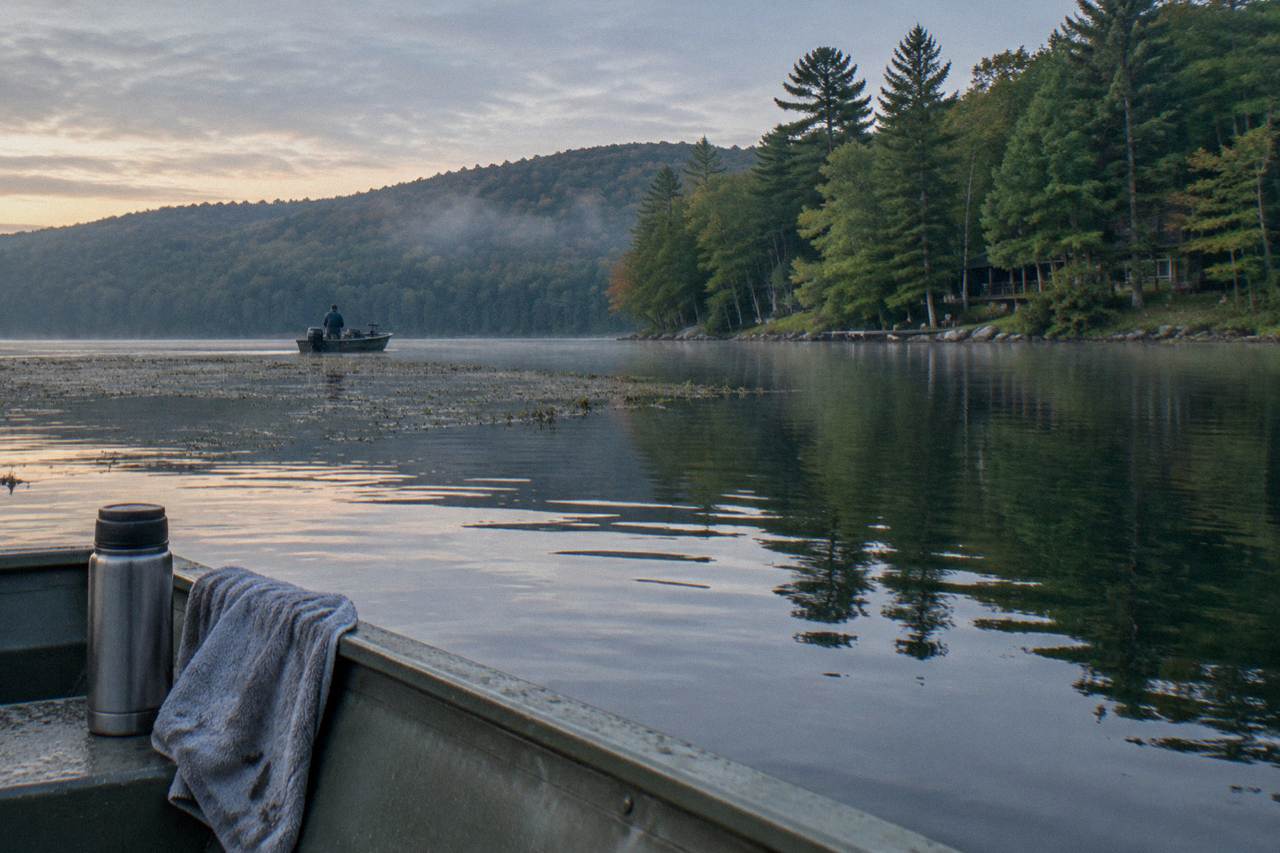
Walleye and smallmouth bass in the main basin, yellow perch and bluegill in the quiet coves, northern pike over 40 inches caught regularly: Deep Creek Lake is Maryland's premier fishing impoundment, and the Maryland DNR hotspots page manages it for all of them. The lake runs 13 miles long with 69 miles of shoreline, so the real question is not whether the fish are there, but which part of this water you should put your boat on. The lake divides into three distinct fishing zones, and each one rewards a different approach, season and style of angling. This guide walks through those zones, the access points that reach them and the rules that shape a day of fishing from a boat here.
The best fishing spots split into three zones: the north end around McHenry Cove for bass and panfish near structure, the main basin between the Deep Creek Lake Bridge and the State Park for walleye and smallmouth over deeper water, and the quiet coves below the Glendale Bridge for yellow perch, bluegill and boat-avoiding fish. Kayakers favor the cove tips, according to the Garrett County Chamber, while boat anglers work the points and drop-offs of the main basin. Once you've picked your fishing zone, the best evening spots on the water at Deep Creek Lake can help you plan where to be when the light turns golden.
That three-zone picture comes from the Garrett County Chamber's own description of the lake's geography, and it matches how the DNR manages the fishery. The northern tip, McHenry Cove, holds boat rentals, restaurants and the Wisp Resort, which means steady boat traffic in summer and pressured fish. The main basin south of the Deep Creek Lake Bridge is where the State Park sits, along with the deepest water in the lake. Below the Glendale Bridge the character changes entirely: quiet coves, sailboats, and water that sees far fewer outboard motors. Each zone deserves its own trip rather than a single pass down the whole lake.
Depth is the other half of the answer. The lake reaches about 75 feet deep near the dam breast and averages about 25 feet, so summer walleye and smallmouth relate to that deeper main-basin structure while panfish stay in the shallow cove arms. A depth of 75 feet also means cold-water species hold through summer, which is a big reason the walleye fishing holds up when other Maryland lakes slow down.
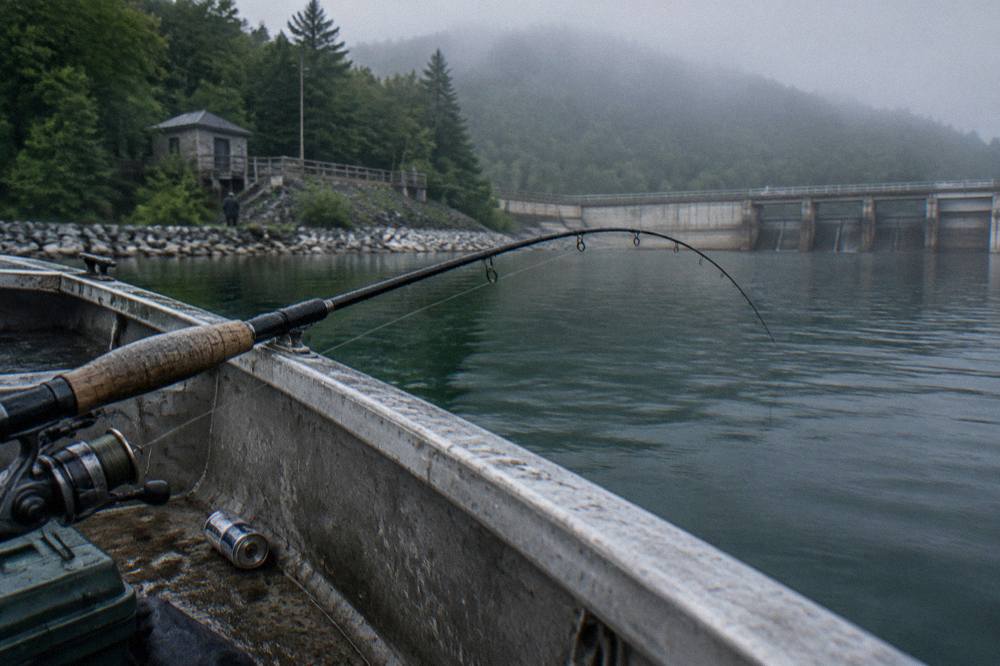
For a fuller treatment of seasons, gear and technique, the companion page on fishing on Deep Creek Lake goes deeper on each species, and the page on what bait to use at Deep Creek Lake covers presentations in detail.
What Fish Can You Catch In Deep Creek Lake?
The DNR manages Deep Creek Lake for largemouth and smallmouth bass, walleye, northern pike, chain pickerel, yellow perch, bluegill, pumpkinseed and crappie. The lake is known for large panfish and abundant walleye and smallmouth, and northern pike over 40 inches are caught regularly. In cold winters it becomes Maryland's premier ice fishing destination, primarily for yellow perch, walleye and bluegills, with bass, crappie and pike available when conditions allow.
That species list, published on the DNR's Deep Creek Lake fishing page, tells you the lake rewards two different kinds of angler. If you want steady action and a full basket, the panfish are the story: bluegill, pumpkinseed and yellow perch run large here by Maryland standards, and they live in water you can fish from a kayak or a small rental boat. If you want a trophy shot, the smallmouth, walleye and pike are the fish that make the lake known among anglers across the state.
One regulation matters more than any lure choice: walleye are closed to harvest from March 1 through April 15, then open the rest of the year with a 15-inch minimum, a protected slot between 18 and 21 inches, and a daily limit of 5 fish, 10 in possession. Check the DNR page for the current season wording before you keep anything.
| Species | Where It Lives On The Lake | Best Approach |
|---|---|---|
| Smallmouth bass | Main basin points, rocky banks, deeper structure | Boat or kayak, work drop-offs |
| Largemouth bass | Shallow cove arms, especially below Glendale Bridge | Kayak or small boat, fish cover |
| Walleye | Deep main-basin water near the dam, night bites | Boat, deeper presentations |
| Yellow perch | Cove tips and shallow arms, schools | Kayak-friendly, small jigs |
| Bluegill and pumpkinseed | Coves and near shoreline structure | Any craft, light tackle |
| Northern pike | Weedy cove mouths and shallow flats | Boat, wire leaders |
| Crappie | Cove wood cover and docks | Kayak or boat, minnows |
The table is a planning aid, not a guarantee: fish move with season, weather and boat traffic, and the coves that hold perch in May may hold pike in October.
Where Does The State Park Area Fish Best?
The State Park area fishes well for boaters and shoreline anglers alike, with one firm exception: the ranger docks and the swim area at the State Park are closed to fishing. Shoreline access is through public access points, and boaters launching at the State Park ramp can reach the entire lake except a small buoyed area at the outlet. The canoe and kayak launch at the main beach lot gives car-top boaters a separate entry to the same water. If you want a fuller picture of where you can get on the water, our guide to public access at Deep Creek Lake covers every launch and shoreline entry point.
The State Park sits on the east side of the main basin, and its stretch of shoreline combines public access with real structure. The DNR's boating guidance notes that except for that small buoyed area at the outlet, boats can reach the entire lake from this launch, which makes the park the single most practical base for a fishing trip here. Day use runs 8 a.m. to sunset, and a day-use fee applies, with details on the DNR's Deep Creek Lake State Park page.
Two practical notes shape a State Park fishing day. First, beaching a boat is not permitted except in emergencies, so plan to anchor or drift rather than pull up on shore. Second, the swim beach is exactly that in summer, with swim lines installed and pets restricted, so route your fishing around the marked bathing area rather than through it. For the full picture of the launch itself, including hours and the four-vehicle launch area, see where can I launch my boat at Deep Creek Lake.
What Makes The Main Basin The Walleye Water?
The main basin, running from the Deep Creek Lake Bridge south toward the dam, is the lake's walleye and smallmouth water because it holds the deepest structure: about 75 feet near the dam breast against a 25-foot average elsewhere. Walleye stack on the drop-offs and points, smallmouth hold on rocky banks, and both feed most predictably in low light. A boat is the practical tool here, since the best structure sits well off the shoreline.
Depth is the draw. When summer heat pushes fish out of the coves, the main basin keeps cold, oxygenated water and the walleye that follow it. Anglers trolling or jigging the basin points routinely connect with the abundant walleye the DNR describes, and the same structure produces the lake's better smallmouth. Night bites around the bridges and channel edges are a local pattern worth asking about at the bait shop, though night skiing is illegal on the lake and boat traffic thins after dinner, which quietly improves the fishing.
Boaters should remember the lake's no-wake rule here more than anywhere: vessels must run at no-wake speed within 100 feet of shoreline, bridges, piers, docks or other vessels, per the DNR's lake rules page. That matters double when you are fishing near a bridge abutment with a line out, because a wake rolling through your drift is both rude and against the rule. The DNR lake regulations page carries the full list of on-water rules.
Where Are The Quiet Cove Fishing Spots?
The quiet coves below the Glendale Bridge are the lake's best panfish water, and kayakers favor the cove tips, according to the Garrett County Chamber's description of the lake. This southern zone sees sailboats rather than powerboat traffic, holds yellow perch, bluegill, pumpkinseed and crappie around shoreline cover, and gives small-boat anglers the closest thing to a backwater experience on a lake that is otherwise one long motorboat corridor.
The Glendale Bridge is the dividing line. Above it, the main basin funnels boat traffic down the middle of the lake; below it, the shoreline breaks into arms where the water calms and the fish behave accordingly. Largemouth bass live in the shallow cover here, crappie suspend around dock pilings and fallen wood, and the perch schools move through in numbers large enough to fill a day. A delivered fishing kayak is a natural fit for this water: Deep Creek Paddle Co lists fishing kayaks from $40 on its own page, delivered to launch points, with single kayaks from $35 and tandems from $55, and renters book directly with the operator.
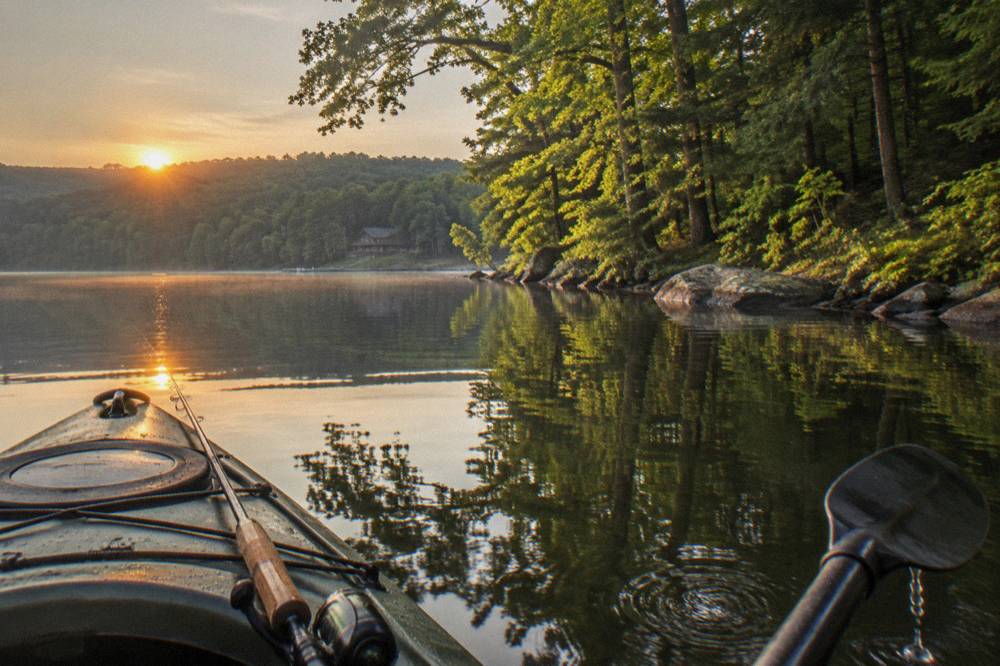
Paddle power has a second advantage in the coves. The same 100-foot no-wake buffer applies, but kayaks and paddleboards can work water a powerboat cannot properly fish without violating it, which is precisely why the Chamber singles out cove tips for paddlers. The companion guide to kayak and paddleboard time on Deep Creek Lake covers rentals and routes in full.
Where Should Anglers Stay Near The Best Fishing Spots?
Anglers targeting the State Park and main basin should stay in McHenry, where Lake Pointe Inn sits near the State Park with a free full breakfast and an adjacent golf course per its listing. Anglers working the southern coves should look at Oakland lodging: The Garrett Inn is about 2.4 miles, roughly 3 minutes by car, from the lake per its listing, and Baja Motel is a budget option a short drive from the Thayerville end of the water. If staying nearest the water matters more than a quick drive, the guide to Deep Creek Lake hotels closest to the water sorts out which properties sit closest to the shoreline.
The split matters because the lake is 13 miles long and a single road, Garrett Highway, strings the boat-related businesses along its west side. Staying at the north end puts you within minutes of the State Park ramp and the McHenry rental docks; staying in Oakland puts you closer to the quiet southern coves, the Thayerville gauge end of the lake and the shops on Garrett Highway, including the High Mountain Sports pontoon operation at 21327 Garrett Highway. Neither choice is wrong, but it should match the zone you plan to fish at dawn, when the water is calmest and the bite is often best.
For a wider comparison of lakeside and near-lake lodging options organized around boating access, the guide to where to stay for boating on Deep Creek Lake lays out the trade-offs, and the publisher's own Deep Creek Boat Tours homepage collects the lake's boating essentials in one place.
Shamrock Inn (In The Heart Of Deep Creek Lake)
Oakland
Oakland inn listed under the Deep Creek Lake name.
Check ratesThe Garrett Inn works as a southern-zone base for anglers who would rather drive three minutes to the water than pay McHenry rates, and its Oakland location keeps the Garrett Highway corridor, and its bait and tackle stops, between you and the launch.
What Rules Apply To Fishing From A Boat?
Fishing from a boat on Deep Creek Lake means following the lake's boating rules alongside the fishing regulations: a 26-foot overall boat length limit, 30 feet for pontoons, no-wake speed within 100 feet of shore and structures, and a boating safety education certificate for anyone born on or after July 1, 1972 operating a numbered vessel. Renters of motorized vessels get a 10-day temporary certificate after reading a safety sheet, issued by the rental company.
The rental loophole is the one that surprises visitors. If you rent a motorized boat, other than a personal watercraft, and you were born on or after July 1, 1972, you do not need to have taken a course before your trip: the rental company walks you through a safety sheet and issues a temporary certificate valid for 10 days. The DNR's page on state requirements for recreational vessels spells this out, and every licensed rental operation on the lake is set up to do it at the counter. Bring a photo ID and allow a few extra minutes at pickup.
The certificate rule covers operation, not fishing, so the angler in the family who never touches the throttle does not need one. But if you plan to swap drivers on the water, everyone who might take the wheel needs their own certificate. The rules are summarized on the DNR boating safety page, and the Maryland boating safety certificate page explains the course options.
One invasive-species rule affects every launched boat. A person may not place a vessel or equipment with attached aquatic plants, zebra mussels or other prohibited nonnative organisms into state waters, and DNR advises clean, drain, dry with at least 48 hours of drying before relaunching. Launch Stewards at the State Park ramp offer free voluntary inspections, and hydrilla in the lake is under ongoing herbicide treatment, so arriving with a clean hull and trailer is both a legal requirement and a practical courtesy to the fishery.
Where Are The Best Fishing Spots At Deep Creek Lake In Winter?
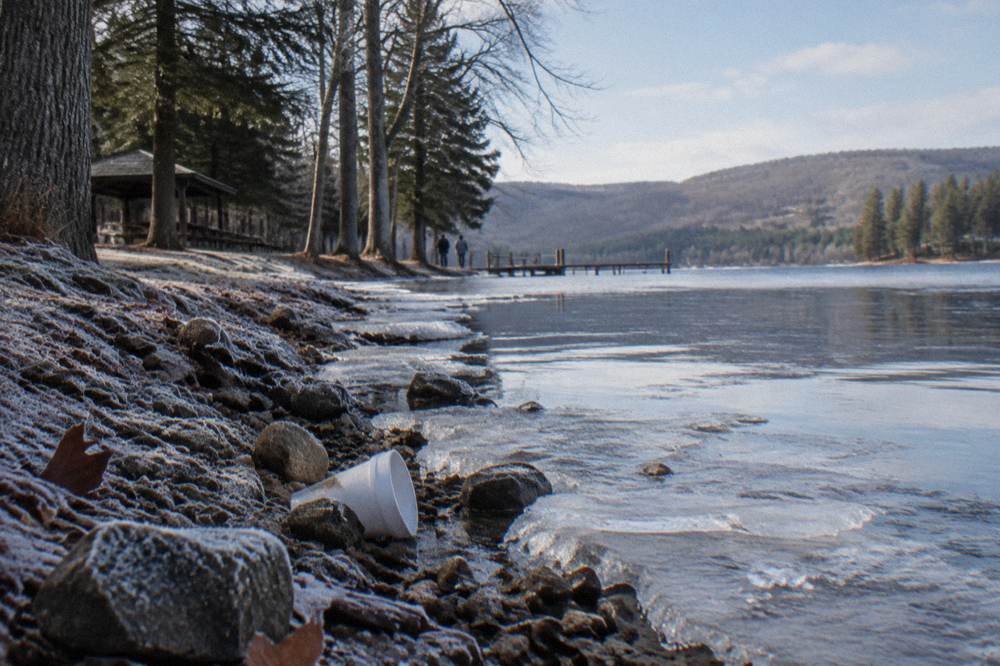
In winter, when the weather allows, Deep Creek Lake becomes Maryland's premier ice fishing destination, and the best spots shift from the boats to the same main-basin and cove structure: yellow perch, walleye and bluegills are the primary targets through the ice, with bass, crappie and northern pike available. Maryland DNR does not measure or certify ice thickness, and its guidance is blunt: no ice is 100 percent safe, so test thickness in multiple spots before anyone walks out.
The DNR's ice safety guidance is worth reading in full before a first trip. The essentials: never go alone, tell someone your plans, test thickness with an auger or spud bar in multiple spots, treat 4 inches of clear, solid ice as the minimum for foot travel and ice fishing, wear a life jacket, carry ice picks and rope, and be aware of weak spots caused by springs, bubbles or currents. Deep Creek has those hazards. Conditions change daily, and new ice is often stronger than old ice, so a report from last weekend proves nothing about this one.
Timing sits in a normal band rather than a schedule: ice typically forms in late December or early January in a genuinely cold winter and supports fishing through February, a short season of roughly two months in good years. The State Park main gate closes during snowmobile season, December 15 to March 15, with parking moving to the Discovery Center, which changes how anglers reach the shoreline. The Chamber's standing advice is to call the State Park for conditions, and the deeper page on ice fishing on Deep Creek Lake covers gear, species and safety in full.
When Is The Best Season To Fish Deep Creek Lake?
The best fishing at Deep Creek Lake stretches from spring through fall for open-water anglers: walleye harvest reopens April 16 after the March 1 to April 15 closure, panfish action holds through summer in the coves, and fall's cool water brings aggressive fish before docks come out in late fall and the ice season takes over.
Spring is the turn-on. The walleye closure protects spawning fish through mid-April, and the day it reopens is a genuine local event on the main basin. Panfish move shallow into the cove arms as water warms, which is when the kayak fishery in the southern zone is at its best. Summer pushes boat traffic to its peak on weekends, and smart anglers fish early, fish weekdays, or fish the coves where powerboat traffic thins out anyway. Fall cools the water, fires up the bass and pike, and pairs a fishing trip with the county's peak foliage, which typically arrives in the second or third week of October.
Winter anglers should watch the level as well as the ice: the operator lowers the lake within its permitted band toward late fall, and shoreline access points change as the water drops. The guide to Deep Creek Lake water levels and winter drawdown explains the band concept and what it means for launching a boat in the off-season.
Do You Need A Boat To Fish The Best Spots?
No, a boat is not required: shoreline anglers reach fish through public access points, the State Park offers a canoe and kayak launch at the main beach lot, and the DNR notes angler access exists around the lake without a motorboat. But a boat, rented or otherwise, is the difference between fishing the water you can see and fishing the main-basin structure where the walleye and smallmouth actually live, and the rental options here are built around that gap.
The middle ground is a delivered kayak or a pontoon. Deep Creek Paddle Co brings fishing kayaks to launch points, which solves both the transport problem and the certificate question, since none of its paddle craft requires a boating safety certificate. For families or groups who want to fish a cove and swim off the boat, a rented pontoon from one of the lake's licensed rental operations covers both, and renters of motorized vessels receive the temporary certificate described above. The cost picture, including what the rental operators each list on their own pages, is laid out in the guide to boat rental costs on Deep Creek Lake.
For southern-zone anglers on a budget, Baja Motel in Oakland is a short drive from the Thayerville end of the lake, close enough that a dawn start on the quiet coves does not require a lakeside address. Anglers planning a longer trip around the State Park side can compare Lake Pointe Inn, near the lake and the State Park, with the free full breakfast and adjacent golf course its listing describes, a pairing that suits a family where only one member gets up for the dawn bite.
Lake Pointe Inn
McHenry, near Deep Creek Lake State Park
Close to the lake and the State Park, with free full breakfast and an adjacent golf course per the listing.
Check ratesCommon Questions About Fishing Spots At Deep Creek Lake
Where Are The Best Fishing Spots At Deep Creek Lake?
The lake splits into three zones: the north end around McHenry Cove for bass and panfish, the main basin between the Deep Creek Lake Bridge and the State Park for walleye and smallmouth over deep structure, and the quiet coves below the Glendale Bridge for yellow perch, bluegill and other panfish. Kayakers favor the cove tips, and boaters work the main-basin points.
Where can I launch my boat to fish Deep Creek Lake?
The State Park boat launch is the primary access for boaters, open 24 hours a day weather permitting, with a four-vehicle launch area and a launch fee each use or a valid lake use permit or State Park pass. Kayaks and canoes also launch at the State Park's main beach lot. Except for a small buoyed area at the outlet, boats can reach the entire lake from the park.
What is the biggest fish in Deep Creek Lake?
Northern pike over 40 inches are caught regularly, according to the DNR's page on the lake, and they are the lake's genuine trophy target. Walleye and smallmouth are more abundant, and the lake is known for large panfish, including bluegill and pumpkinseed that run big by Maryland standards.
Can you fish from the shore at Deep Creek Lake State Park?
Yes, shoreline anglers have access through public access points around the lake, but the ranger docks and the swim area at the State Park are closed to fishing. Respect the marked swim beach, and remember that beaching a boat is not permitted except in emergencies.
When is walleye season on Deep Creek Lake?
Walleye are closed to harvest from March 1 through April 15. The season then runs through late winter, with a 15-inch minimum, a protected slot between 18 and 21 inches, and a daily limit of 5 fish with 10 in possession. Confirm the current rules on the DNR page before keeping fish.
Can you ice fish on Deep Creek Lake?
Yes, in winters cold enough to make safe ice, the lake is Maryland's premier ice fishing destination, mainly for yellow perch, walleye and bluegills. Maryland DNR does not measure or certify ice thickness, so test it yourself in multiple spots, never go alone, and follow the posted guidance.