What To Bring For A Day On Deep Creek Lake?
A practical packing guide for a day of boating on Deep Creek Lake, covering required safety gear, sun protection, food, clothing, fishing tackle and what to leave at home.
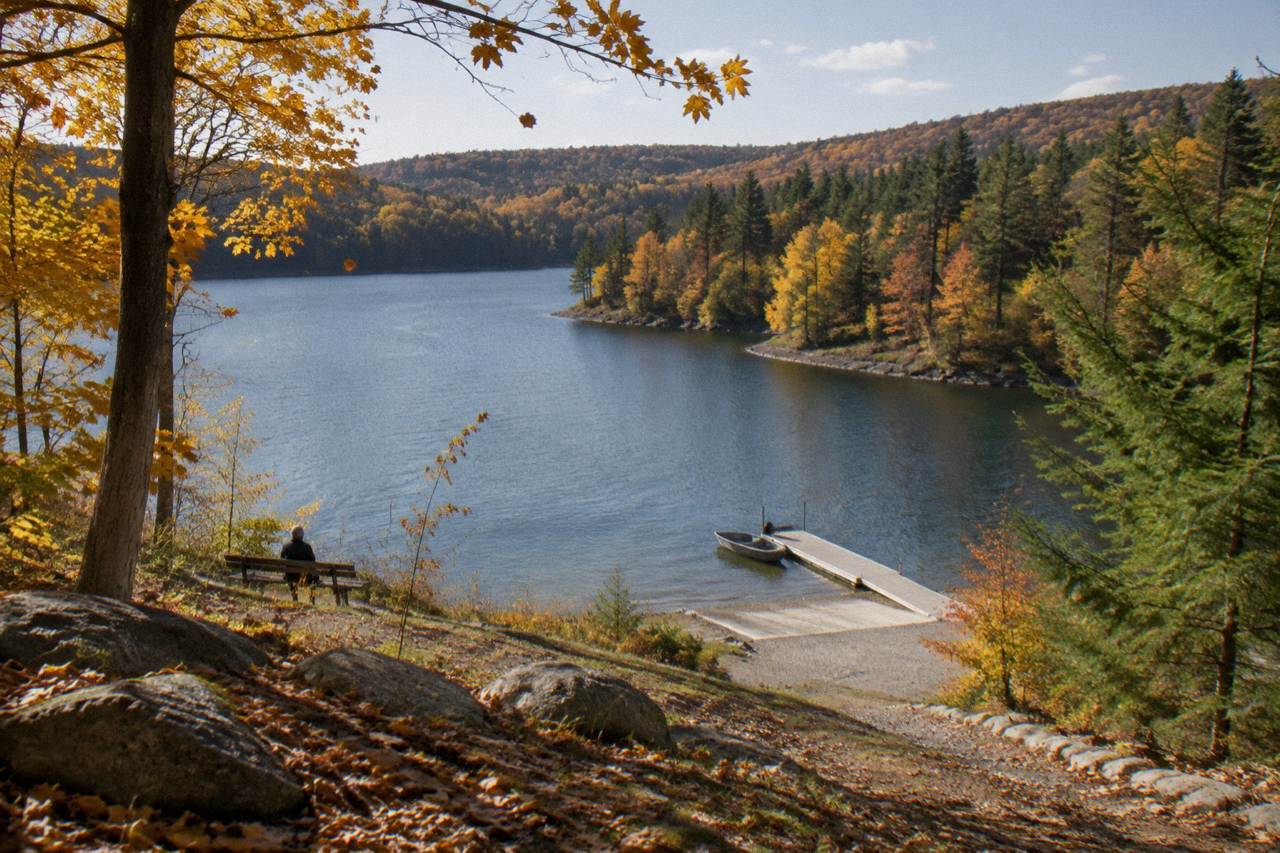
Deep Creek Lake is Maryland's largest impoundment, 3,900 acres of water held at a full pool elevation of 2,462 feet, with 69 miles of shoreline wrapped in Garrett County forest. That combination of size, altitude and mountain weather is exactly why a packing list matters here. The lake sits high enough that summer afternoons can still turn cool when a front moves through, and a day built around a pontoon rental, a kayak trip or a fishing boat runs smoother when the gear is right. Boating is the draw for most visitors, and what you bring on board shapes the whole day. Before you load the boat, it helps to picture the water itself, and a guide to the lake's size and depth explains what those official measurements mean for a day on the water.
The list below is built from Maryland boating law, Deep Creek Lake's specific regulations and the practical realities of the lake's three distinct zones, from busy McHenry Cove at the north to the quiet coves below the Glendale Bridge. Each section answers a real question a visitor asks before loading the car.
Pack a boating safety certificate if you were born on or after July 1, 1972 and will drive a motorized vessel, one properly fitted life jacket per person, sun protection for the mountain sun, layered clothing for elevation swings, more drinking water than you think you need, and required fishing licenses if you plan to cast, all sized to your boat, whether that is a rented pontoon, a kayak, or your trailered vessel launched at the State Park ramp.
The core list breaks into four piles: what Maryland law requires on the water, what the lake's altitude and weather demand, what makes a long day comfortable, and what the activities you have planned add to the pile. A family renting a pontoon for a slow tour of the main basin packs differently from two anglers chasing walleye at first light, but the legal minimums are the same for both.
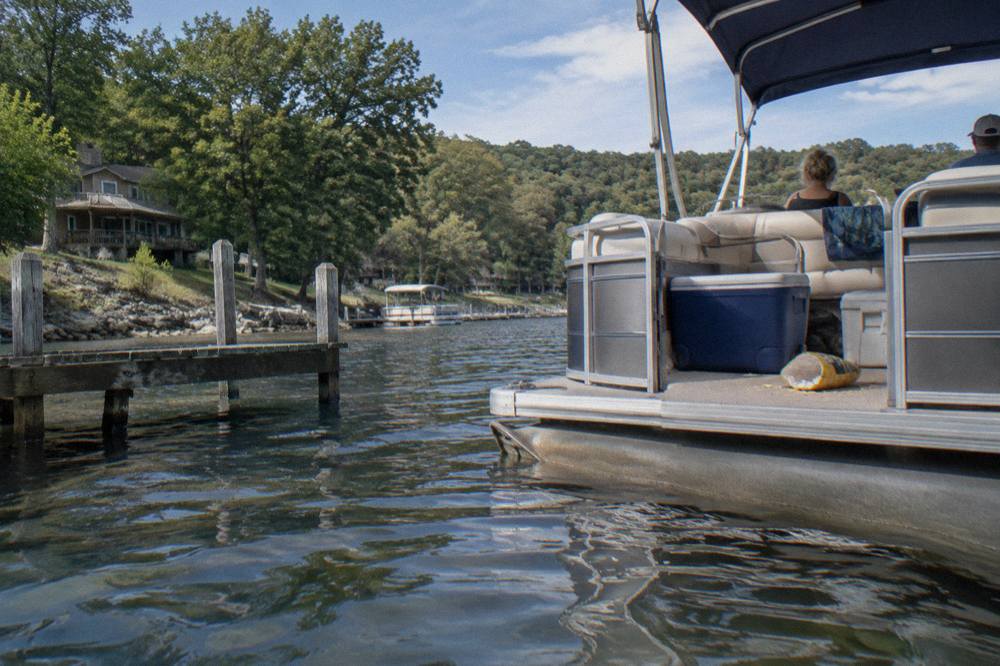
The lake was impounded on Deep Creek in the 1920s and filled by 1929, and Maryland owns the lake, the lake bed and the buffer strip of land around it, which is why the rules here are state rules rather than marina house rules. The Maryland Department of Natural Resources explains the certificate requirement for anyone born on or after July 1, 1972 operating a numbered or documented vessel on its boating safety page. Renters get a specific break: if you rent a motorized vessel other than a personal watercraft, you read a safety sheet and the rental company issues a 10-day temporary certificate, which covers most vacation pontoon trips.
A good packing approach for the lake is to plan around the day's structure. Mornings are calm and cool, midday brings boat traffic and sun on the open basin, and late afternoon settles again before the mountain air cools fast. Gear that works across those phases, layers, water, shade, beats gear that serves only one hour of the day.
What Boating Gear Does Maryland Require On The Water?
Maryland requires one wearable life jacket of the right size for every person on board, a boating safety certificate for operators born on or after July 1, 1972, and, for personal watercraft, a Coast Guard approved life jacket worn at all times plus a kill switch or self circling device. Deep Creek Lake adds its own limits, including a 26 foot boat length cap, 30 feet for pontoons, and an 88 dB noise limit tested at idle.
The life jacket rule is the one that matters most for families. Every person on the boat needs a wearable jacket that fits, and children and weak swimmers should wear theirs the whole time rather than stow it. If your day includes a personal watercraft, the bar rises: the operator must be at least 16, must wear a Coast Guard approved life jacket, must travel 6 knots or slower within 100 feet of another vessel, shore, pier, bridge or people in the water, and may not operate between sunset and sunrise. The full set of requirements is on the DNR personal watercraft page.
Deep Creek Lake also has local rules that shape what you bring and how you use it. Vessels must run at no-wake speed within 100 feet of shoreline, bridges, piers, docks or other vessels. Beaching a boat is not permitted except in emergencies, so do not plan on running a pontoon up onto a sand bar. Marine sanitation devices that can discharge into the lake are banned, and no garbage goes in the water. The DNR's lake regulations page carries the official list of vessel restrictions.
| Requirement | Who It Applies To | What To Pack |
|---|---|---|
| Life jacket, one per person, proper size | Every vessel | Jackets sized for each rider, worn by kids |
| Boating safety certificate | Operators born on or after July 1, 1972 | Certificate card, or the 10-day temporary from a rental company |
| Life jacket worn, kill switch, no night use | Personal watercraft operators 16 and older | Properly fitted jacket, attached kill switch lanyard |
| Clean, drained, dried boat and trailer | Anyone launching | Dry gear, no attached plants, 48 hours drying time |
| Boat length within limits | All vessels on the lake | Nothing over 26 feet, or 30 feet for pontoons |
The invasive species rule deserves a line in your packing plan, not just your rulebook. Maryland prohibits placing a vessel or equipment with attached aquatic plants, zebra mussels or other prohibited nonnative organisms into state waters, and penalties run up to $2,500 per offense. Hydrilla was first found in Deep Creek Lake and is under an ongoing herbicide treatment program, and zebra and quagga mussels are not currently believed to be in the lake. The DNR advises CLEAN, DRAIN, DRY with at least 48 hours of drying before launching, and Launch Stewards at the State Park ramp offer free voluntary inspections, detailed on the DNR invasive species page. Bring your own boat clean, and bring kayaks and paddleboards that have been dried as well.
What Should You Pack For Sun And Weather At Elevation?
Pack sunscreen rated for long exposure, sunglasses, a brimmed hat and a sun shirt, because at 2,462 feet the sun is stronger and it reflects off the water from two directions. Add a light rain shell, a fleece or warm layer for morning and evening, and more drinking water than seems reasonable, since a full day of boating at altitude dehydrates people faster than they notice.
Mountain weather in Garrett County swings hard even in summer. A July afternoon can run warm on the water and then turn cool after sunset, and a fast shower can cross the lake without much warning. The people who have the best days here are the ones with a dry bag holding a warm layer, not the ones relying on swim clothes alone. Wind on the open main basin can also kick up a chop that soaks anyone riding at the front of a pontoon, so a dry change of clothes left in the car is cheap insurance.
Water deserves special attention. Between the sun, the reflected glare and the dry mountain air, a group on an all-day boat rental can go through far more water than packed. A good rule of thumb is to double whatever a normal day trip would suggest, and to bring salty snacks alongside it. Alcohol and dehydration compound each other, and the no-wake and PWC rules demand alert operation, so most experienced lake visitors keep the day focused on water and food until the boat is tied up.
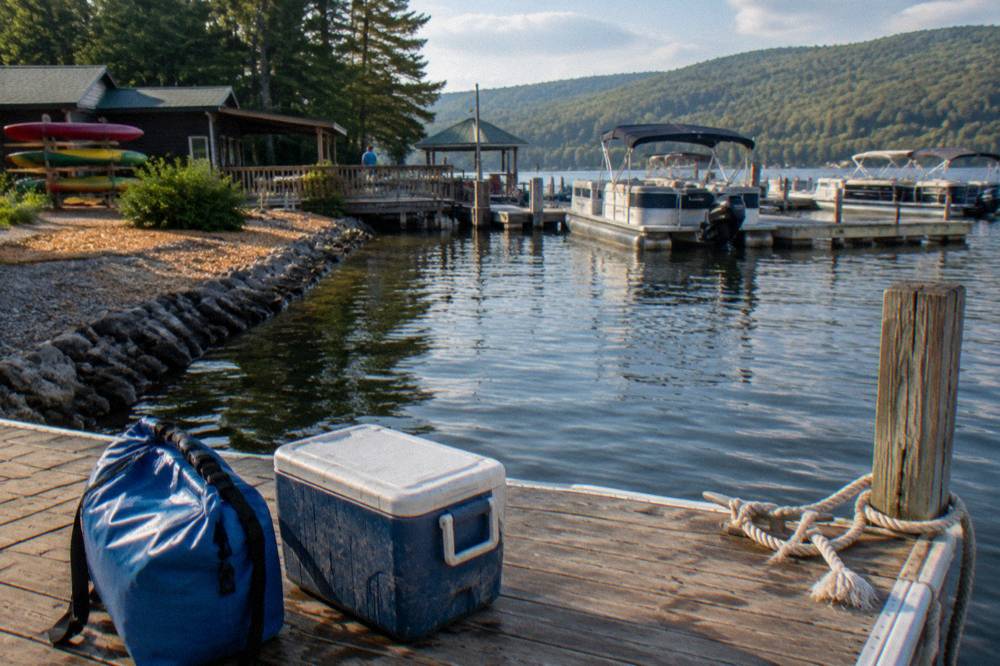
A short list of sun and weather items that earn their space every time:
| Category | Items | Why It Matters Here |
|---|---|---|
| Sun | SPF sunscreen, lip balm, polarized sunglasses, brimmed hat | High elevation plus double reflection off the water |
| Warmth | Fleece or hoodie, windproof shell, beanie | Mornings and evenings run cool even in summer |
| Rain | Light rain shell, dry bag for phones and keys | Fast showers cross the lake without warning |
| Hydration | Cooler with water and electrolyte drinks, salty snacks | Altitude and sun dehydrate faster than at sea level |
| Footwear | Water shoes or sandals with grip | Wet boat decks, rocky shoreline, hot dock surfaces |
What Food And Drink Should You Bring On The Boat?
Bring a cooler with more water than drinks, hearty food that survives sun and spray, and nothing in glass, since glass and bare feet on boat decks mix badly. Pack lunch in reusable containers, fruit that handles heat, and trash bags so everything you bring comes back off the boat, because dumping garbage in Deep Creek Lake is prohibited and the shoreline is state owned land.
The practical rhythm of a lake day favors food you can eat one handed while the boat drifts. Sandwiches, wraps, cut fruit, trail mix and pretzels all travel well in a cooler with ice. Anything that melts, chocolate especially, either goes in the insulated section or stays home. If your day starts at the north end, the McHenry Cove area near the boat rentals has restaurants, so some groups plan a midday stop and carry only snacks and drinks on the water.
Trash discipline is both a rule and a courtesy. The lake bed and buffer strip belong to Maryland, and the regulations prohibit dumping garbage into the water. Bring a trash bag, bring a small bag for recyclables if the marina separates them, and plan on carrying everything off the boat at the end of the rental. Rental companies check their boats over on return, and a clean boat back is the fastest way out of the parking lot.
For fishing-focused days, pack food that works with cold hands, and keep it separate from the bait and tackle. A thermos of something hot earns its space in the early morning, especially outside the warmest weeks, and it matters even more later in the season when the same anglers come back for the ice fishing that makes this Maryland's premier hard water destination when the weather allows.
What Clothing Works For A Full Day On Deep Creek Lake?
Dress in layers you can shed as the day warms: swimwear underneath, a sun shirt or light long sleeve over it, shorts or quick dry pants, and a warm layer plus shell in the dry bag. Bring a full change of clothes for the car, water shoes rather than flip flops for wet decks, and a towel per person, because a pontoon day at 2,462 feet can move from hot sun to cool spray within an hour.
The common mistake is planning only for the temperature at the dock at 10 a.m. Mountain mornings are cool, the midday basin is hot and bright, and the ride back into the wind after 4 p.m. feels like a different season, especially with wet clothes from swimming. Quick drying fabrics solve most of this. Cotton, once wet, stays wet and cold, which is why experienced lake regulars leave the heavy denim on shore.
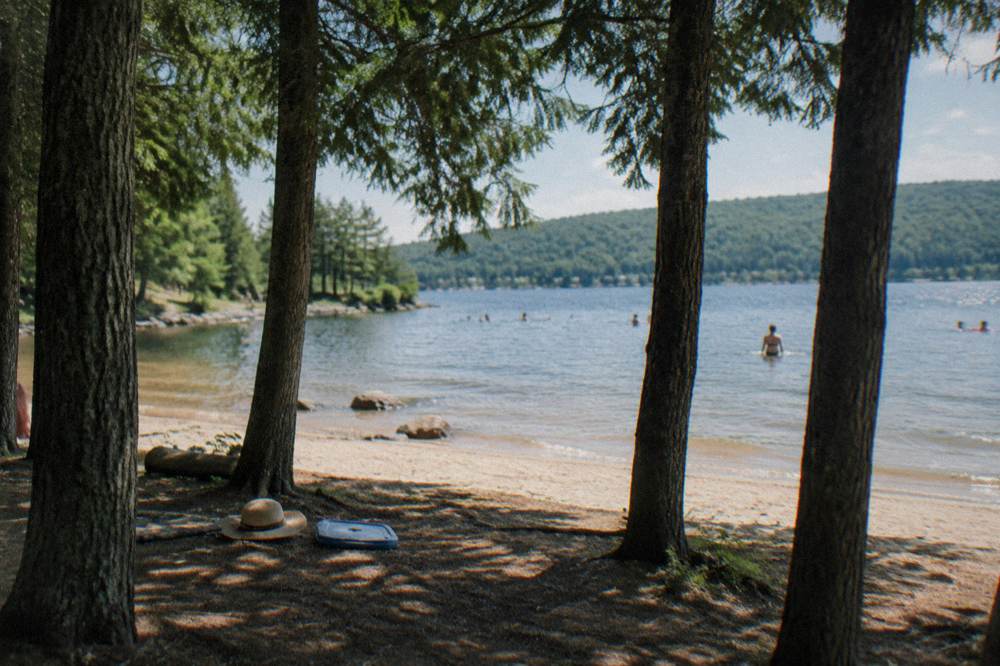
Swim stops are part of most rental days. The State Park has two sandy beaches with swimming permitted when swim lines are installed, and a canoe and kayak launch sits at the main beach lot. Note that pets are not allowed on the sandy swim beach from Memorial Day weekend through the summer season, so a dog-friendly plan means the boat, not the beach. Towels, swim goggles for kids and a small mesh bag for wet suits keep the ride home civilized.
If your day leans toward paddling rather than powerboating, the clothing logic tightens further. Kayakers on Deep Creek Lake favor the cove tips and the quiet water below the Glendale Bridge, and a paddler who capsizes in a cotton shirt on a cool morning loses heat fast. A synthetic or wool base layer, a spray-friendly shell and shoes that strap on are the standard kit. Deep Creek Boat Tours covers the paddling side of the lake in depth in its guide to kayaking and paddleboarding on the lake, which pairs well with this packing list if your day is human powered.
What Should You Bring For Kids And Swimmers?
Pack a properly fitted life jacket for every child, one they will actually wear all day, plus swim goggles, sunscreen reapplied hourly, snacks that survive heat, and shade, whether that is the pontoon's bimini top or a beach umbrella. Bring a dry bag with a full change of kid clothes and assign one adult to watch the water whenever children are swimming off the boat or at the beach.
The life jacket point cannot be softened. Children on a boat need jackets that fit now, not jackets they will grow into, and a jacket worn only while the boat moves ignores the moments when kids lean over the rail at drift. Rentals from the lake's operators include required safety gear, but sizes for small children run out on busy days, so families with toddlers or young kids should bring their own jackets and confirm the fit before leaving home.
Shade is the second kid essential. Midday sun on the open basin is intense, and even with sunscreen, small children burn through a long afternoon. Most pontoon rentals on the lake have a canopy, but ask when booking and bring a wide brimmed hat for each child regardless. Beach days at the State Park have the advantage of natural shade options nearby and the swim lines that mark the safe area, and the park's day use runs from 8 a.m. to sunset.
A quiet word on tubes and towing: tubing behind a rental is one of the classic Deep Creek days, and the same 100 foot no-wake rule applies near shore and docks, with posted zones marked by white signs or buoys with an orange circle limiting speed to 6 knots where skiing is prohibited. Night skiing is illegal. Kids riding a tube need their life jackets on and a spotter the driver can hear. The lake's operators that rent tubes and run guided pontoons include the Wisp concession at the State Park, which lists tube rental on its own page, and renters book with the operator directly.
What Do Anglers Need To Bring To Deep Creek Lake?
Bring a Maryland fishing license if required, rods matched to your target species, and a copy of the special regulations, because Deep Creek Lake has a protected walleye slot between 18 and 21 inches and a closed harvest season on walleye from March 1 through April 15. Pack tackle for bass, walleye, yellow perch and panfish, pliers, a net, and a cooler, since the lake is known for large panfish and abundant walleye and smallmouth bass.
The species list here is long: largemouth and smallmouth bass, walleye, northern pike, chain pickerel, yellow perch, bluegill, pumpkinseed and crappie, with northern pike over 40 inches caught regularly. Walleye rules are the ones that trip people up. Outside the closed harvest window, the daily limit is 5 fish with 10 in possession, a 15 inch minimum, and the 18 to 21 inch protected slot means fish in that range go back. The DNR's Deep Creek Lake fishing page carries the current numbers.
Anglers arriving by boat should remember that the ranger docks and the swim area at the State Park are closed to fishing, and that shoreline access runs through public access points. Boaters can reach the entire lake except a small buoyed area at the outlet. Tackle for a mixed bag does not need to be exotic: jigs and live bait for walleye and perch, spinnerbaits or soft plastics for bass, and small jigs under a bobber for the bluegill and pumpkinseed that make this lake a good place to teach kids to fish.
The lake is a put and take trout area with no special spring closure, and the statewide fall trout stocking program adds rainbow, brown and golden rainbow trout to Maryland waters beginning in early October. Anglers should check the DNR trout stocking hotline or website during active periods for where fish have gone, since Deep Creek specific dates and numbers are not published separately.
Where Should Your Day On The Lake Start?
Most boating days on Deep Creek Lake begin at the State Park boat launch on the east side, the primary access point for trailered boats and open 24 hours a day weather permitting. Paddlers can put in at the State Park beach, rentals cluster near McHenry at the north end, and a launch fee, lake use permit, or State Park pass applies, so verify current costs on the official DNR fees page.
The geography of the lake shapes the start of the day. The northern tip is McHenry Cove, home to boat rentals, restaurants and Wisp Resort. South of the Deep Creek Lake Bridge is the main basin with the State Park, and below the Glendale Bridge the coves get quieter and sailboats and kayaks dominate. Where you launch and where you rent determines how early you should arrive, because summer weekend mornings fill the ramp and the rental docks quickly.
Staying near the water shortens the day's start considerably. LakeFront Lodge is a lodging option in the McHenry area near the north-end launch and rental scene, while Lake Pointe Inn sits near the lake and the State Park with a free full breakfast and an adjacent golf course, a combination that suits families splitting a day between the ramp and other activities. For groups coming up from the Oakland side, The Garrett Inn sits about 2.4 miles from the lake by car.
LakeFront Lodge
McHenry
Lodging in McHenry, at the north end of the lake near the rental docks and the Wisp concession.
Check ratesVisitors who want gear without hauling it have delivery options on the water side. Deep Creek Paddle Co delivers kayaks, paddleboards and fishing kayaks to the lake, listing single kayaks from $35, paddleboards from $40, tandems from $55 and fishing kayaks from $40, with online reservations and a note to confirm prices on the operator's own page before booking. Wisp Resort Lake Adventures, the State Park boating concession, runs a guided pontoon tour with kayak, paddleboard and tube rental at the park, with reservations required. Both are booked directly with the operator, never through this site, and more detail on the guided options is in the site's guide to pontoon boat tours on the lake.
What Should You Leave Home Or Leave On Shore?
Leave glass bottles, any marine sanitation device that can discharge into the lake, oversized vessels over the 26 foot cap, or 30 feet for pontoons, and engines above the manufacturer's rated horsepower, all at home. Also leave behind the assumption that you can beach your boat anywhere, since beaching is not permitted except in emergencies, and skip personal watercraft plans for restricted hours, when PWC may not run between 11 a.m. and 4 p.m. on peak summer days.
The PWC hours catch many visitors by surprise. On Memorial Day weekend and on Saturdays, Sundays and holidays from July 1 through Labor Day, personal watercraft may not operate between 11 a.m. and 4 p.m., which effectively removes the busiest afternoon hours from a jet ski day and pushes PWC riders to early morning. Anyone weighing a personal watercraft day should read the site's breakdown of jet ski and PWC rules on the lake before trailering one up the mountain.
Noise is the other quiet rule. The lake's noise limit is 88 dB tested at idle, boats may not run with open cutouts, and the DNR lists mufflers and speed zones among its official boating topics. A boat that is loud at the ramp is a boat that gets inspected on the water. For visitors bringing their own boat, the practical advice is to confirm the vessel fits the length and horsepower limits before the trip, since those are Deep Creek Lake specific and not state wide.
| Leave Home | The Rule Behind It |
|---|---|
| Glass bottles | Broken glass on decks, docks and swim beaches |
| Overboard discharge heads | Marine sanitation devices that discharge into the lake are banned |
| Boats over 26 feet, or 30 foot pontoons | Deep Creek Lake length limits |
| Engines above rated maximum horsepower | Lake engine limit, manufacturer's rating governs |
| Beach landing plans | Beaching is not permitted except in emergencies |
One more item belongs on the leave behind list: rigid timing. The lake rewards groups that build slack into the day, an hour at the dock for the rental check and the safety briefing, a buffer for the no-wake ride out of the launch area, and time to let the afternoon settle before heading in. The groups that schedule a boat like a dinner reservation are the ones that feel rushed, and rushed packing is how the sunscreen, the dry bag or the kids' life jackets get left in the car.
Shamrock Inn (In The Heart Of Deep Creek Lake)
Oakland
Oakland inn listed under the Deep Creek Lake name.
Check ratesCommon Questions About A Day On Deep Creek Lake
What To Bring For A Day On Deep Creek Lake?
Bring required safety gear first: a fitted life jacket for every person and a boating safety certificate if you were born on or after July 1, 1972 and will operate a motorized boat, though renters receive a 10 day temporary certificate from the rental company. Add sun protection, layered clothing for the 2,462 foot elevation, plenty of water, food in a cooler with ice, towels, water shoes, a dry bag for electronics, and fishing licenses and tackle if you plan to fish.
Do I need a boating license to rent a boat at Deep Creek Lake?
Anyone born on or after July 1, 1972 must carry a boating safety education certificate to operate a motorized vessel on Maryland waters. Renters of motorized vessels other than personal watercraft read a safety sheet and receive a 10 day temporary certificate from the rental company, which covers a typical vacation rental. The requirement is a certificate, not a state driver style license.
Can I bring my own boat to Deep Creek Lake?
Yes. The State Park boat launch is the primary access for trailered boats and is open 24 hours a day, weather permitting, and a launch fee, lake use permit or State Park pass applies. Your boat must meet the lake's limits, 26 feet overall maximum, or 30 feet for pontoons, and it must be clean, drained and dried to protect against aquatic invasive species. Free voluntary inspections are offered by Launch Stewards at the ramp.
What should kids wear and bring on the boat?
Every child needs a properly fitted life jacket worn on the water, not stowed. Pack swimwear, a rash guard or sun shirt, a hat, and a warm layer in a dry bag, since wet kids cool quickly once the boat moves. Bring goggles, snacks, and a change of clothes, and note that pets are not allowed on the State Park's sandy swim beach during the summer season.
Is there anything I am not allowed to bring on the lake?
Glass bottles, marine sanitation devices that can discharge into the lake, and boats or engines over the lake's length and horsepower limits are all prohibited. Boats with attached aquatic plants or invasive mussels may not be launched. Beaching a boat is not permitted except in emergencies, and personal watercraft may not operate during restricted midday hours on peak summer days.
Where can I rent kayaks or paddleboards for the day?
The Wisp Resort Lake Adventures concession at the State Park rents kayaks, paddleboards and tubes, and Deep Creek Paddle Co delivers kayaks, paddleboards and fishing kayaks to the lake, with singles listed from $35 and paddleboards from $40 on the operator's own page. Reservations are recommended, and all bookings go through the operators directly.